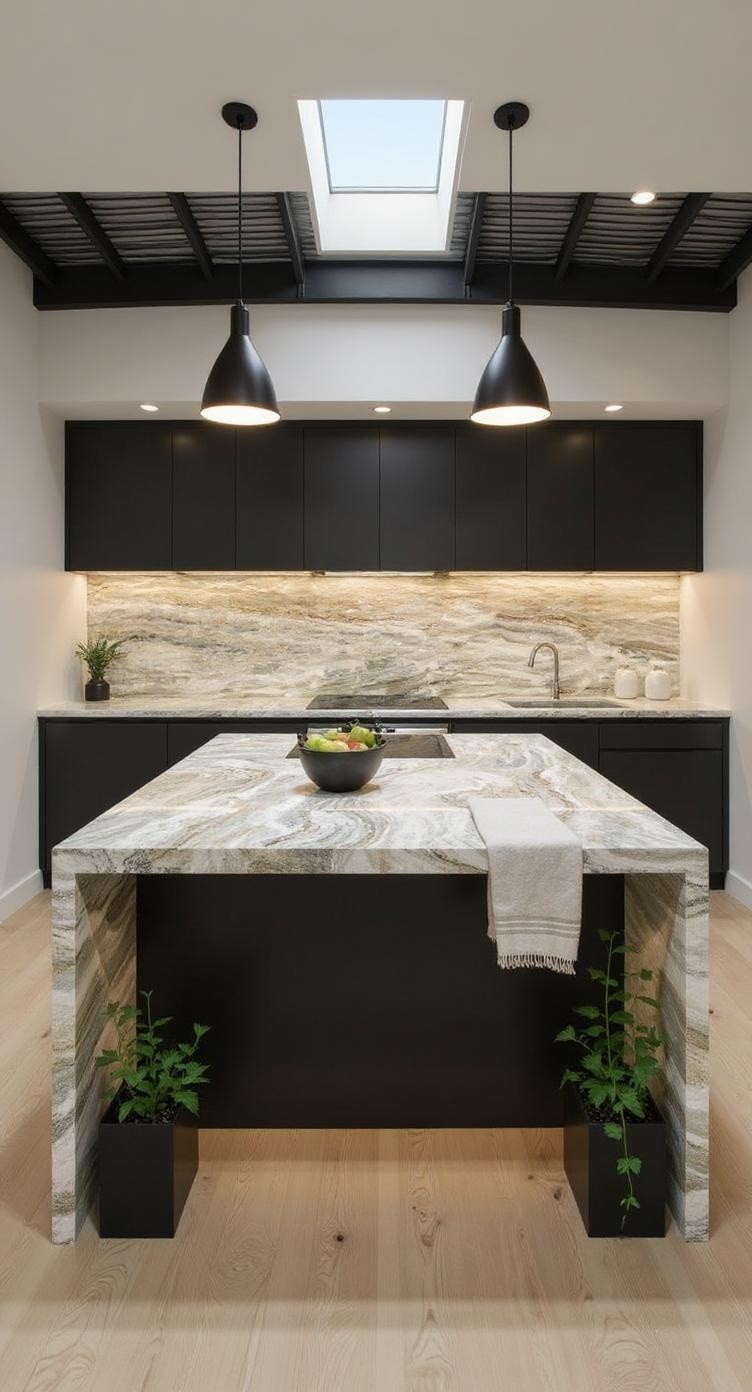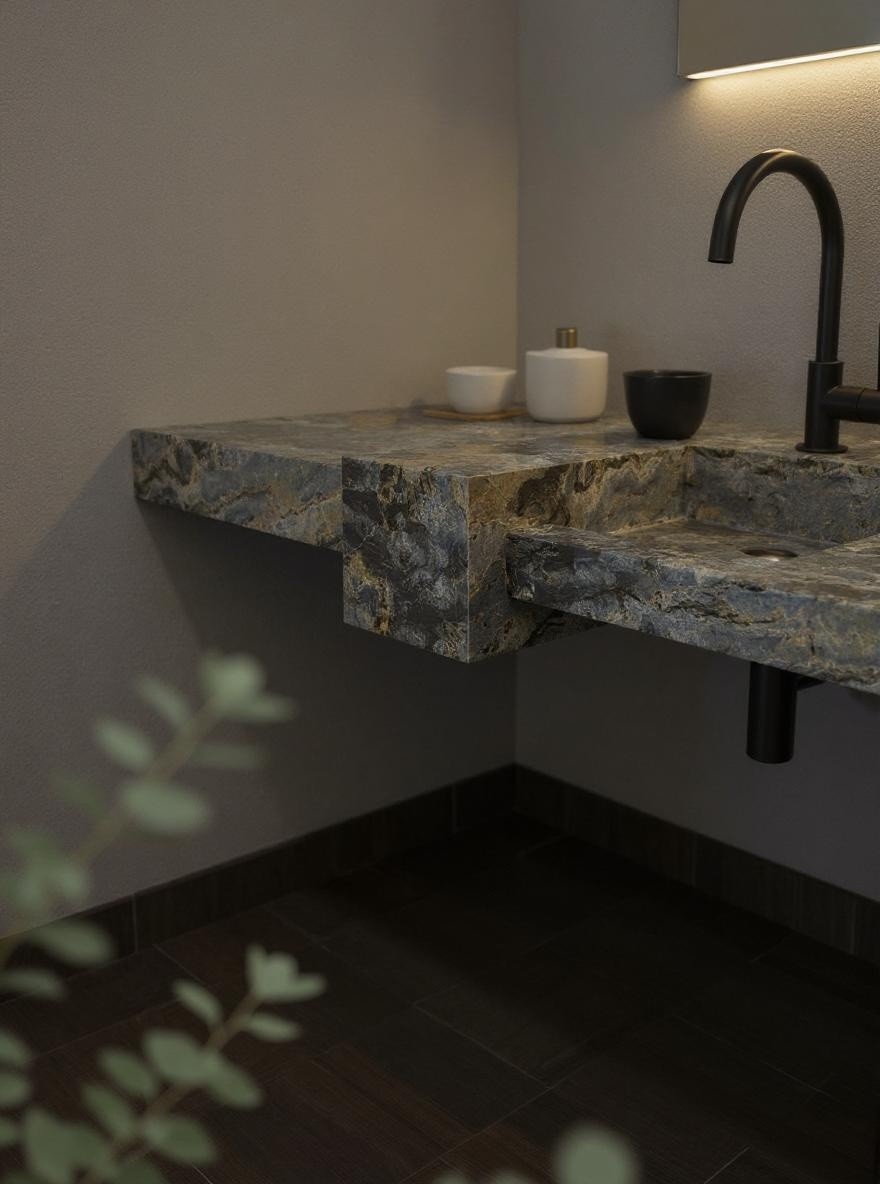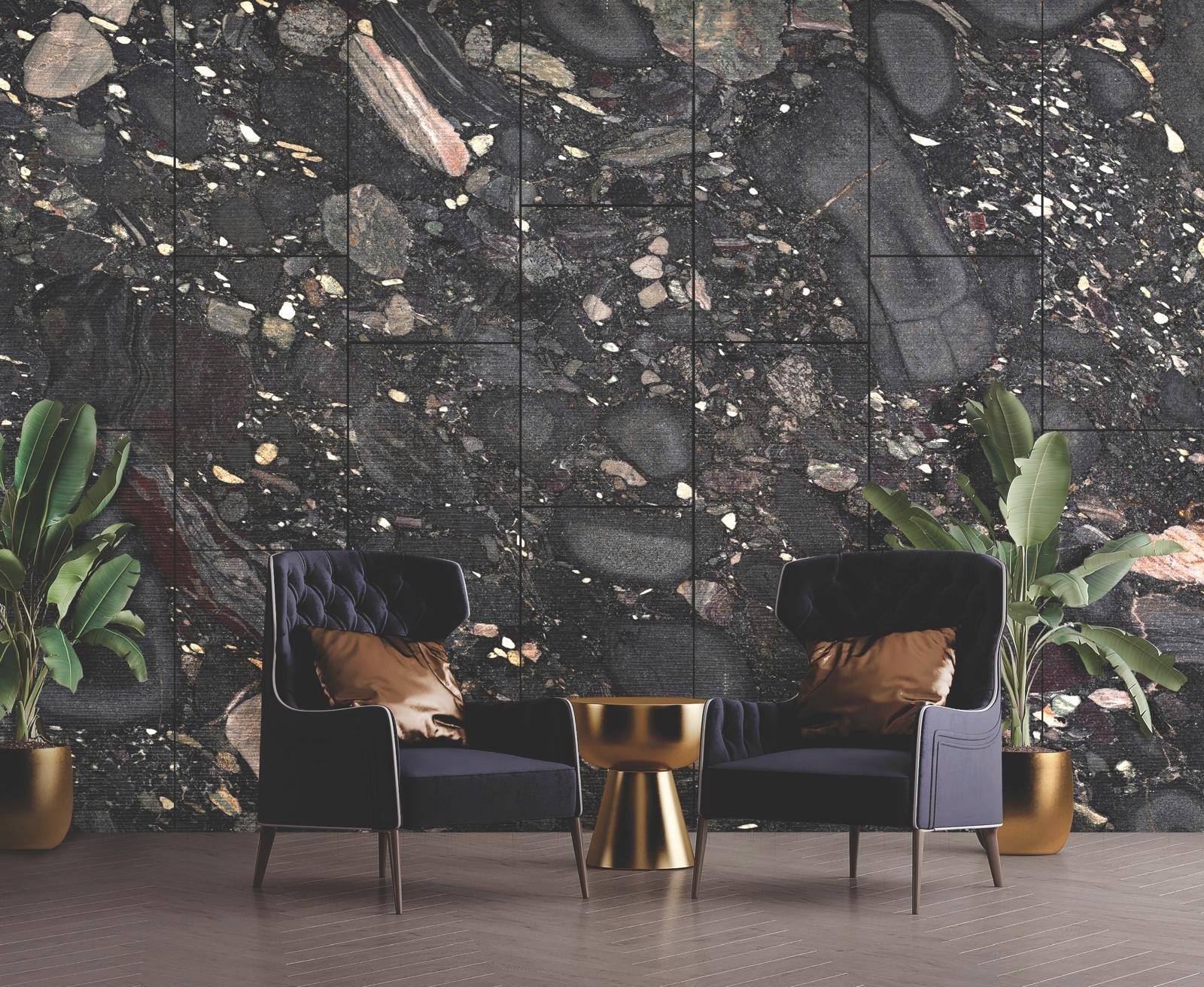
Material specification remains one of the most critical decisions within any architectural or interior project. Beyond performance, durability, and maintenance, the selected surface plays a defining role in shaping the atmosphere, sensory experience, and long-term character of a space.
Natural stone continues to be specified in preference to sintered surfaces, porcelain slabs, and engineered materials—not simply for its appearance, but for its authenticity. Formed over millions of years, each slab is a record of geological transformation, with veining, tonal variation, and mineral composition that cannot be artificially replicated.
It is this inherent individuality that positions natural stone as a material of enduring architectural relevance.
Reintroducing Nature into Contemporary Interiors
As modern living becomes increasingly defined by synthetic inputs—processed materials, airborne pollutants, off-gassing from engineered products, and constant digital exposure—there is a growing shift toward reintroducing natural elements into interior environments.
This is particularly evident as homes evolve into multi-functional spaces, accommodating work, rest, and social interaction within a single environment.
In response, designers are prioritising:
Biophilic integration through planting and natural light
The inclusion of water and fire elements
The use of authentic, minimally processed materials
Natural stone plays a central role within this movement. As an inert material, it does not emit volatile organic compounds (VOCs), contributing to healthier indoor environments. Its mineral composition and thermal mass also support a more stable and grounded spatial experience.
Traditional Finishes: Honed and Polished
Historically, natural stone has been predominantly specified in polished and honed finishes.
Polished finishes enhance colour depth and reflectivity, offering a refined and formal aesthetic suited to feature applications.
Honed finishes provide a smooth, matte surface with reduced glare, often preferred for its understated elegance and practicality.
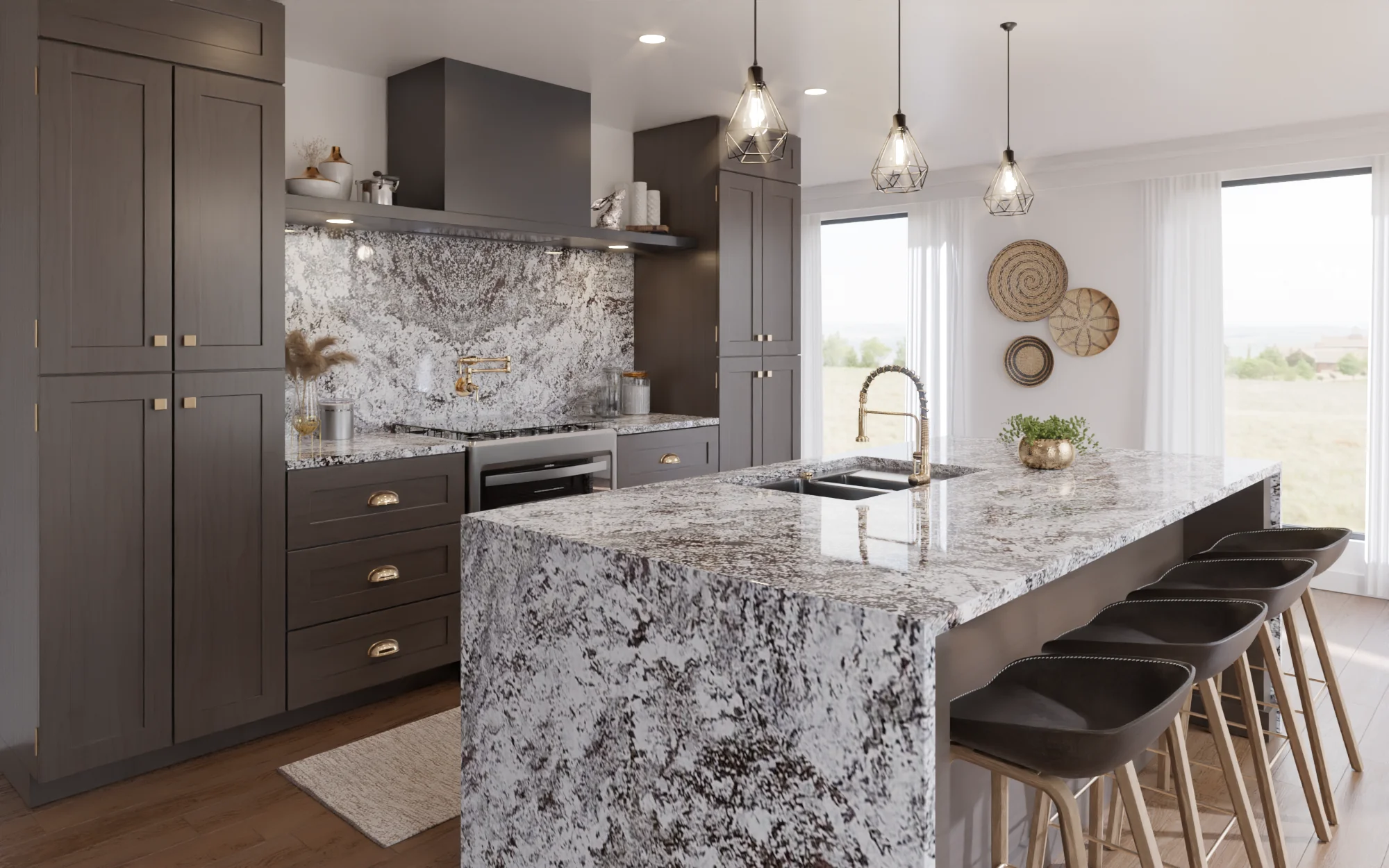
For horizontal applications such as kitchen benchtops and high-use surfaces, these finishes remain highly effective due to their ease of maintenance and durability.
However, restricting natural stone to these treatments limits its full architectural potential.
The Emergence of Textured Finishes
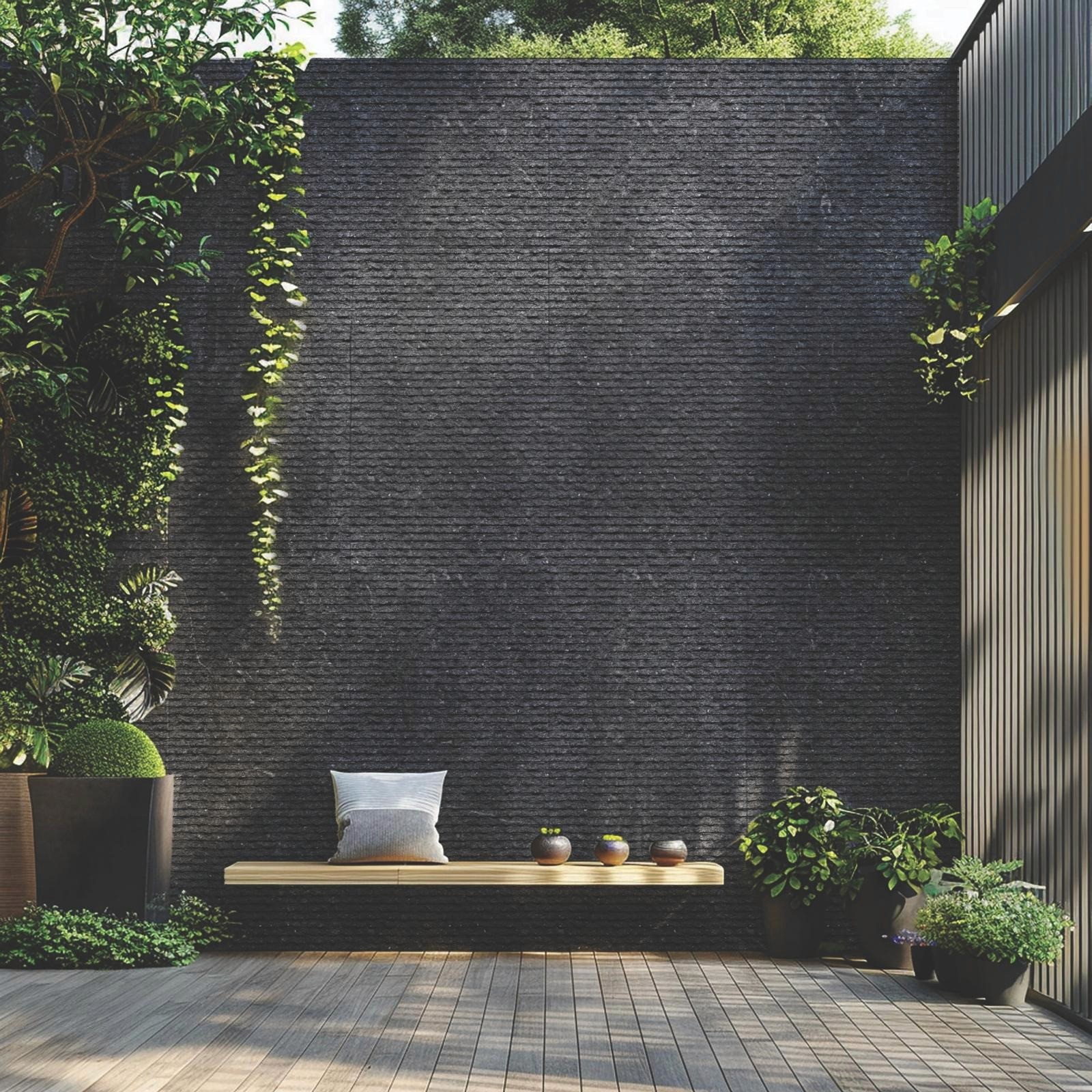
A new direction in stone specification is the increasing use of textured finishes—surfaces that more closely reflect the material’s natural, unrefined state.
Rather than presenting stone as a flat plane, textured finishes introduce depth, movement, and shadow. They allow the material to be experienced in a way that is closer to its geological origin, revealing the raw character formed through natural processes.
These finishes are particularly suited to vertical and feature applications, including:
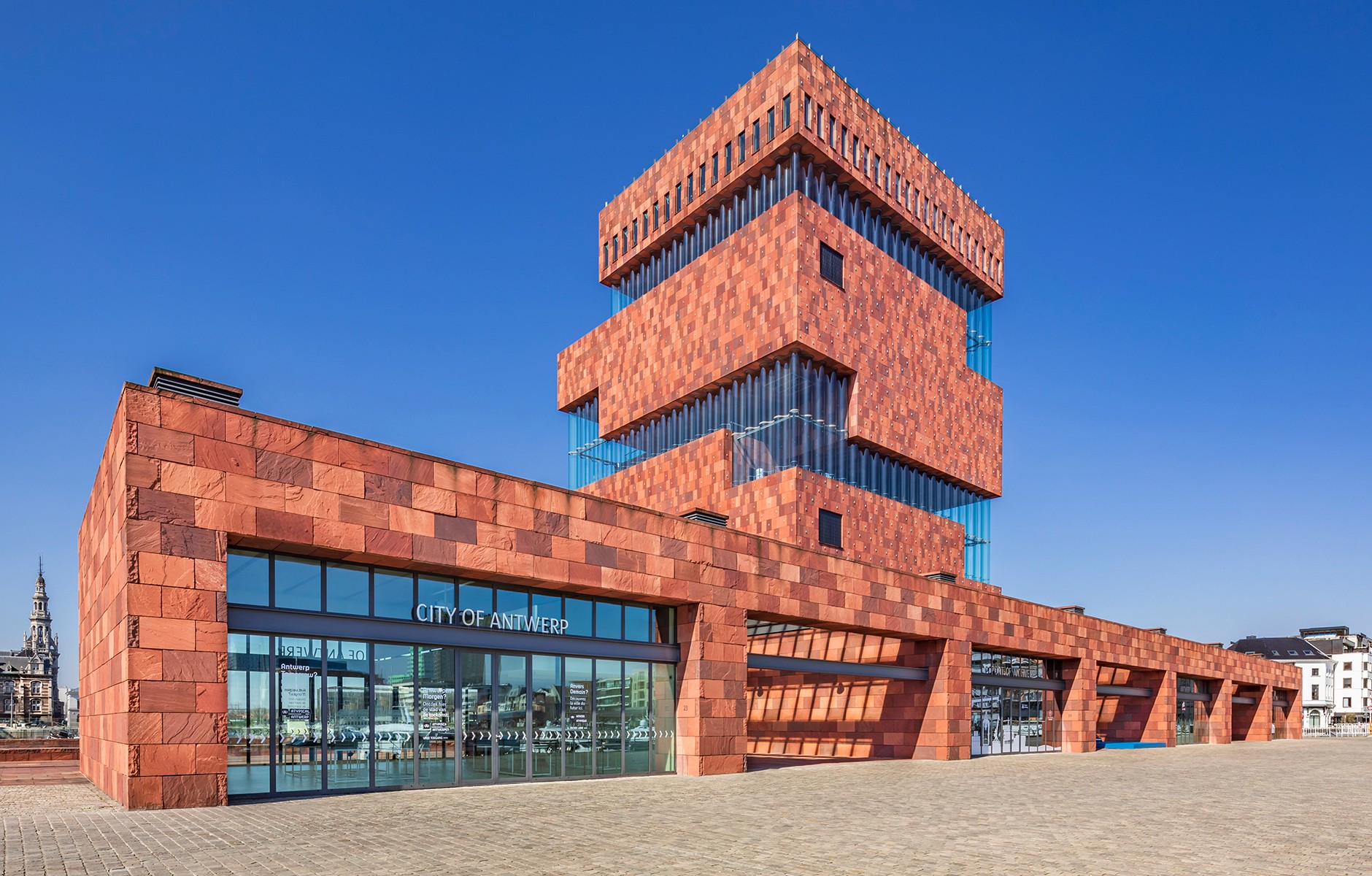
Feature walls and large-format cladding
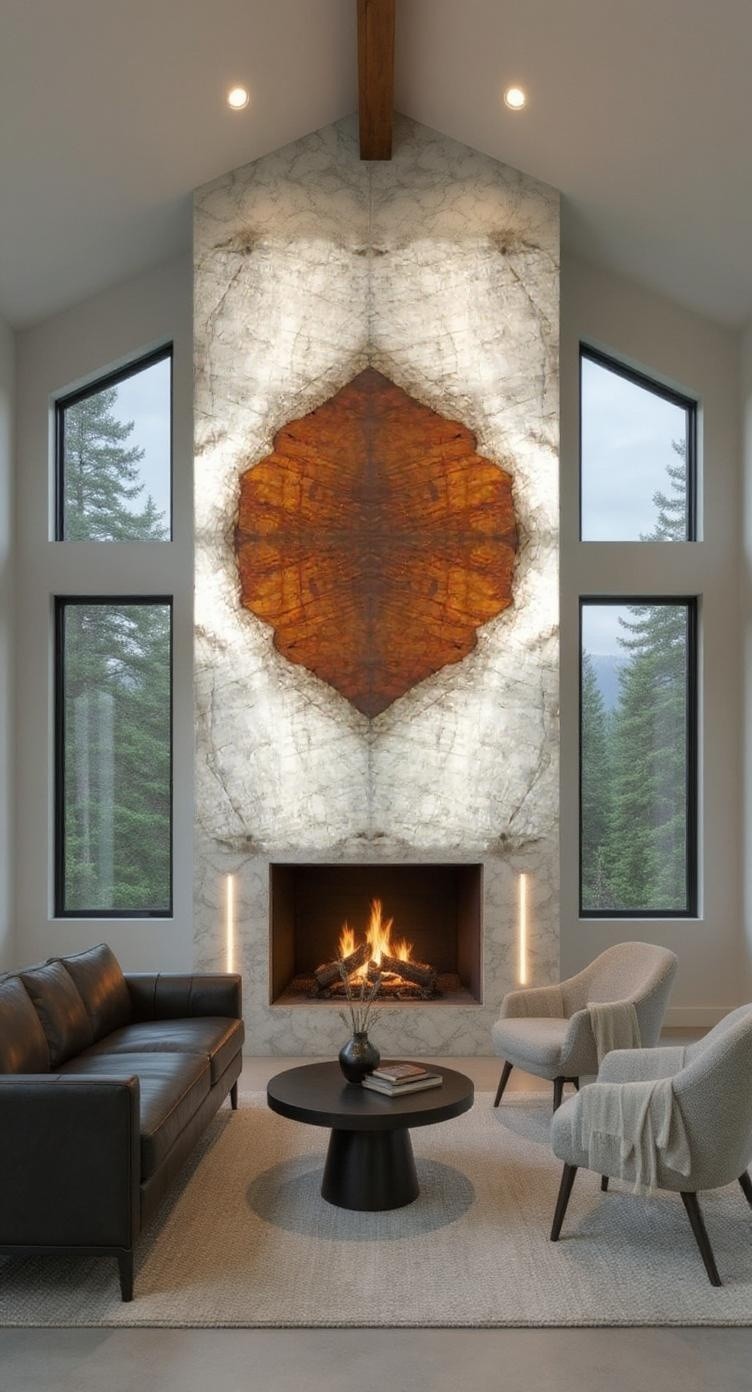
Fireplace surrounds
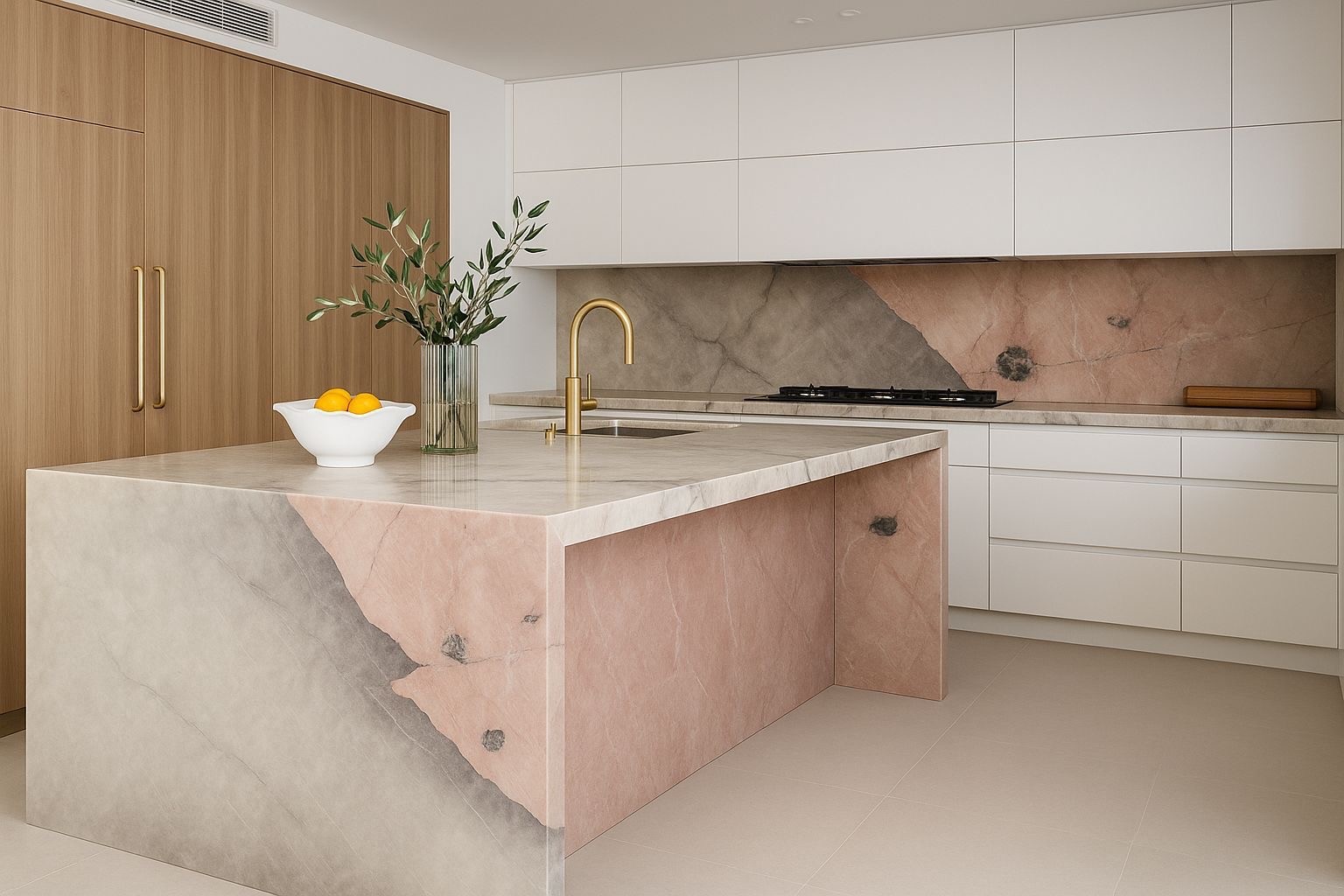
Waterfall edges and architectural elements
Hospitality, retail, and commercial feature spaces
In these contexts, stone becomes more than a surface—it becomes a focal point of the design narrative.
Among these, one of the most widely specified textured finishes globally is the Arai Gritto finish—often referred to as Rock Design. Its pronounced surface articulation captures the raw essence of natural stone, offering a highly architectural expression that resonates across both residential and commercial applications.
In more immersive applications, particularly within landscape and pool design, finishes such as Arai Frizzle and Arai Gritto in granite create striking feature walls when paired with integrated lighting. These compositions can transform a pool environment into something far more experiential—evoking the feeling of a natural rock pool set within a canyon-like landscape, where texture, shadow, and light work together to blur the boundary between built form and nature.

Performance and Sensory Impact
Textured natural stone contributes not only visually, but also functionally and experientially within a space.
Visual Complexity
The interplay of light and shadow across a textured surface introduces a dynamic quality that evolves throughout the day, enhancing spatial depth and visual interest.
Tactile Engagement
Unlike honed or polished finishes, textured stone invites physical interaction. This tactile quality reinforces a connection between user and material, aligning with human-centred design principles.
Acoustic Moderation
Textured surfaces can assist in diffusing sound by disrupting direct reflection. This can contribute to improved acoustic comfort in larger or open-plan environments, particularly in commercial and hospitality settings.
Integration with Water Elements
When paired with water features, textured finishes can subtly influence the sound profile of moving water, producing a more natural and layered auditory experience.
A More Nuanced Approach to Materiality
The introduction of textured finishes allows designers to explore a more layered and intentional material language.
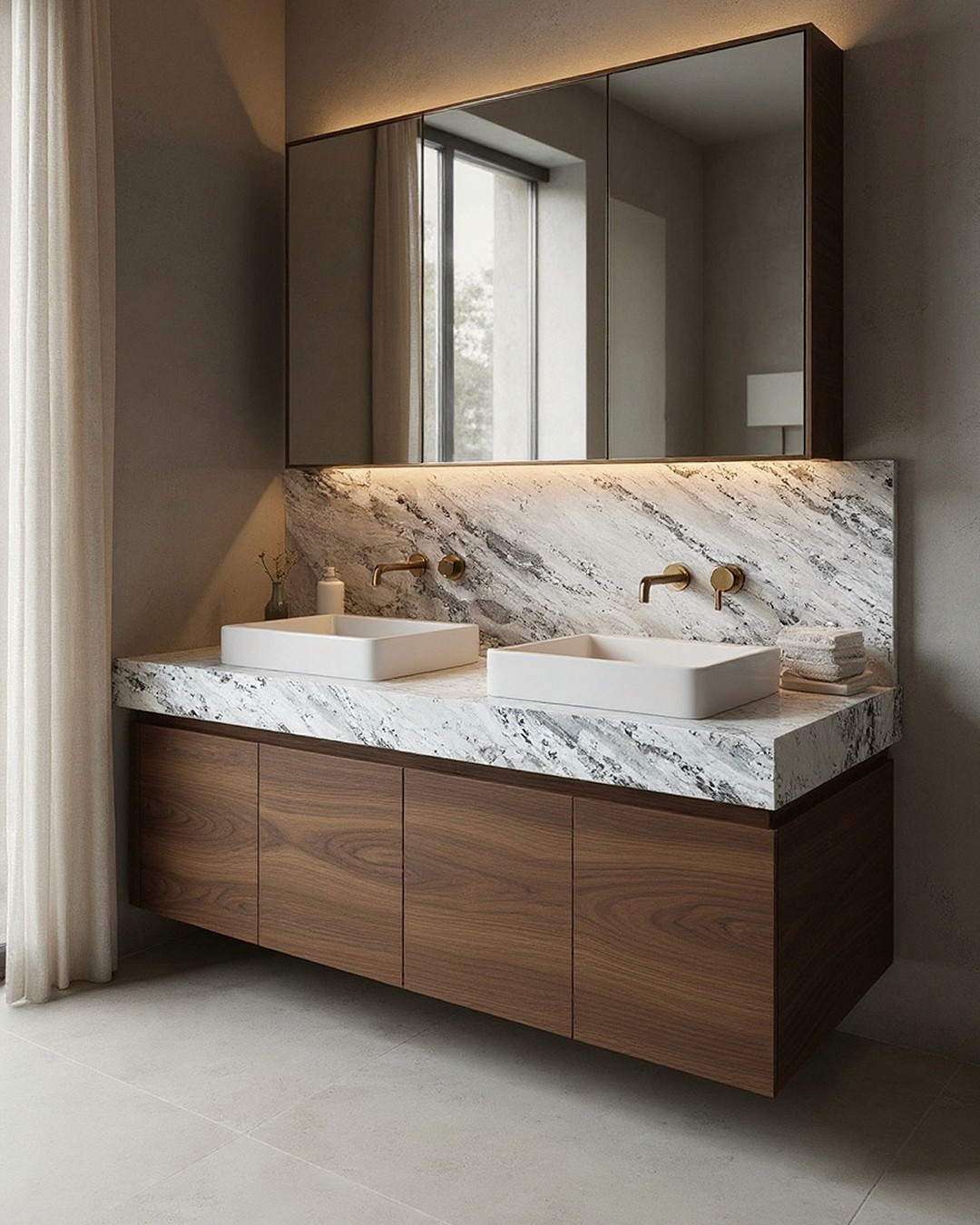
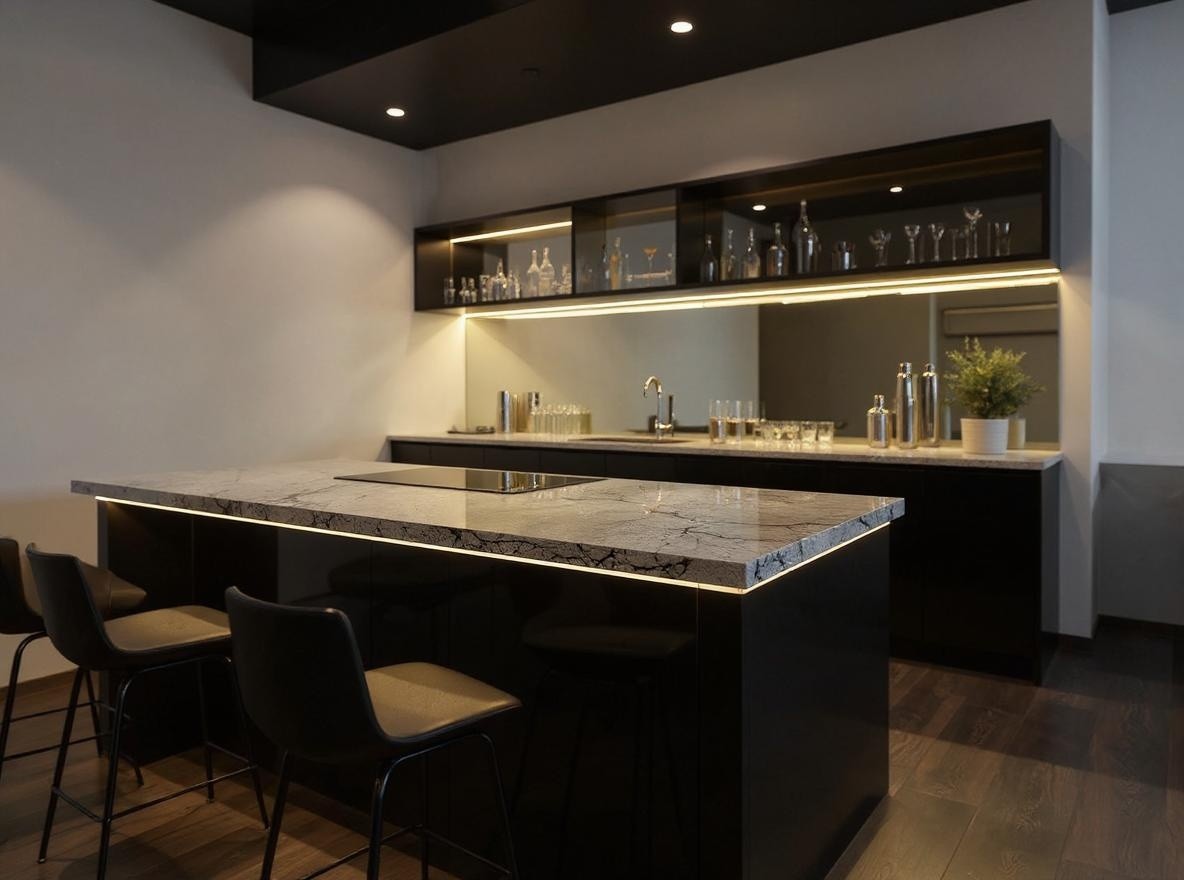
Combining finishes within the same stone—such as a honed horizontal surface with a textured vertical application—creates contrast while maintaining material continuity. This approach enhances detail, reinforces design intent, and elevates the overall spatial composition.
The Arai Collection: Advancing Surface Innovation
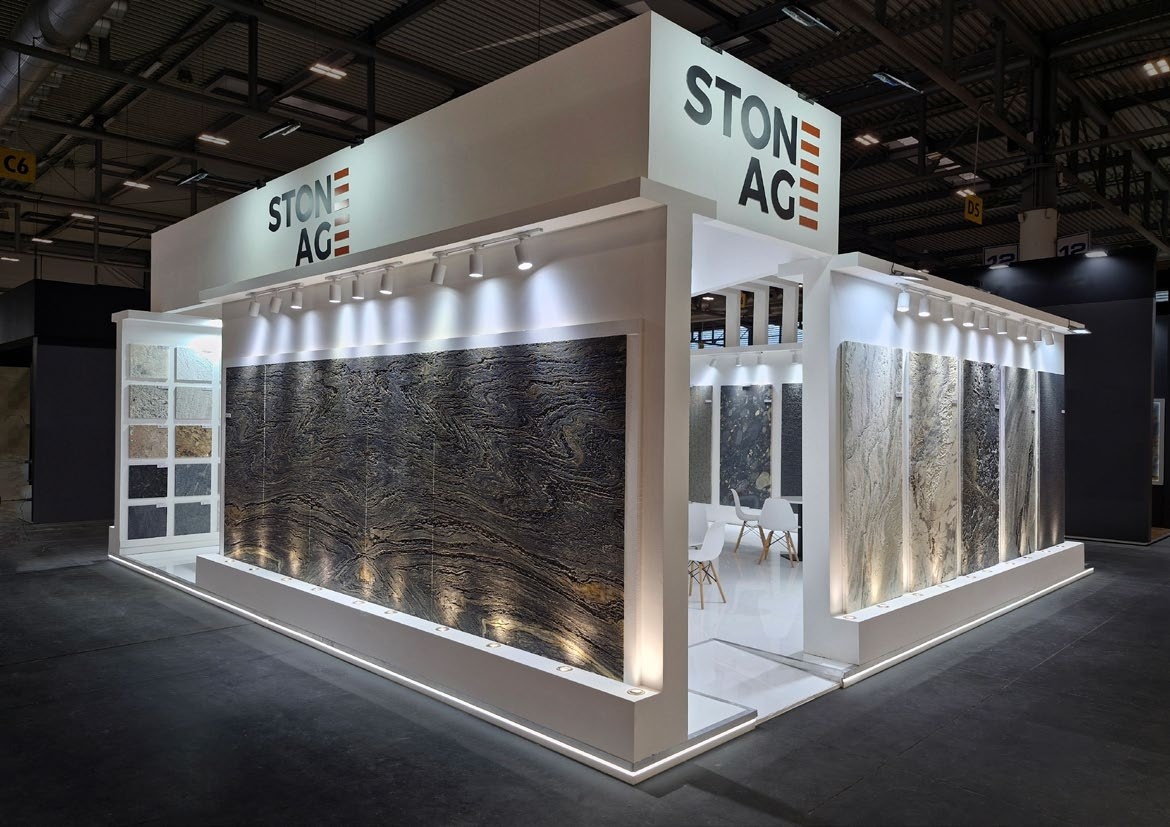
Stone Age Australia is among a select group globally offering a new generation of textured stone finishes through the Arai Collection, now available within the Australian market.
This collection introduces five distinct textures, each designed to capture a different expression of natural stone.
Importantly, these finishes are achieved without the use of chemical treatments. Instead, they are developed through processes that utilise the fundamental elements found in nature:
Water
Fire
Air
These elements are applied in a controlled environment to replicate the effects of natural weathering and erosion—processes that would typically occur over geological time.
The result is a surface that retains authenticity while achieving a refined, architectural finish.
Designing Through the Senses
The Arai Collection reflects a broader shift toward multi-sensory design, where materials are selected not only for their appearance, but for how they are experienced.
Sight through depth, shadow, and variation
Touch through surface articulation
Sound through interaction with acoustics and water
This layered sensory engagement contributes to spaces that feel more considered, immersive, and connected to the natural environment.
Expanding Creative Possibilities
Textured natural stone introduces new opportunities for architects and interior designers to move beyond conventional surface treatments.
It enables:
Greater material expression
Enhanced spatial depth
Improved acoustic performance
Stronger connections to natural elements
From residential interiors to large-scale commercial environments, these finishes support a more sophisticated and experiential approach to design.
Experience the Collection
Stone Age Australia invites architects and designers to explore the Arai Collection in person.
Our showroom provides a curated environment to experience these finishes firsthand—understanding their depth, texture, and application potential within contemporary projects.
This marks a new chapter in natural stone specification—one that redefines how material can shape space, engage the senses, and reconnect interiors with the essence of nature.